
What to Sow in August UK – Complete Allotment Planting Guide
Hiya, everyone it’s Keir, so you’ve finally got a bit of bare soil back — the early potatoes are up, peas are finished, the onions are drying in the shed — and now you’re wondering: is it too late to sow anything else this year?
If you’re asking what to sow in August UK, the good news is: you’ve still got loads of options. August is prime time for fast salads, late roots, oriental greens and a whole host of overwintering crops that’ll see you through autumn, winter and early spring.
According to the RHS and BBC Gardeners’ World sowing guides, you can still sow salad leaves, radish, spinach, turnips, spring cabbage and oriental greens in August across much of the UK. On top of that, seed companies like Thompson & Morgan and Suttons Seeds list second‑cropping potatoes for July–August planting, and overwintering onions from August seed sowings.
Let’s break it down so you know exactly what vegetables to sow in August UK, where to put them, and what’s realistically too late.
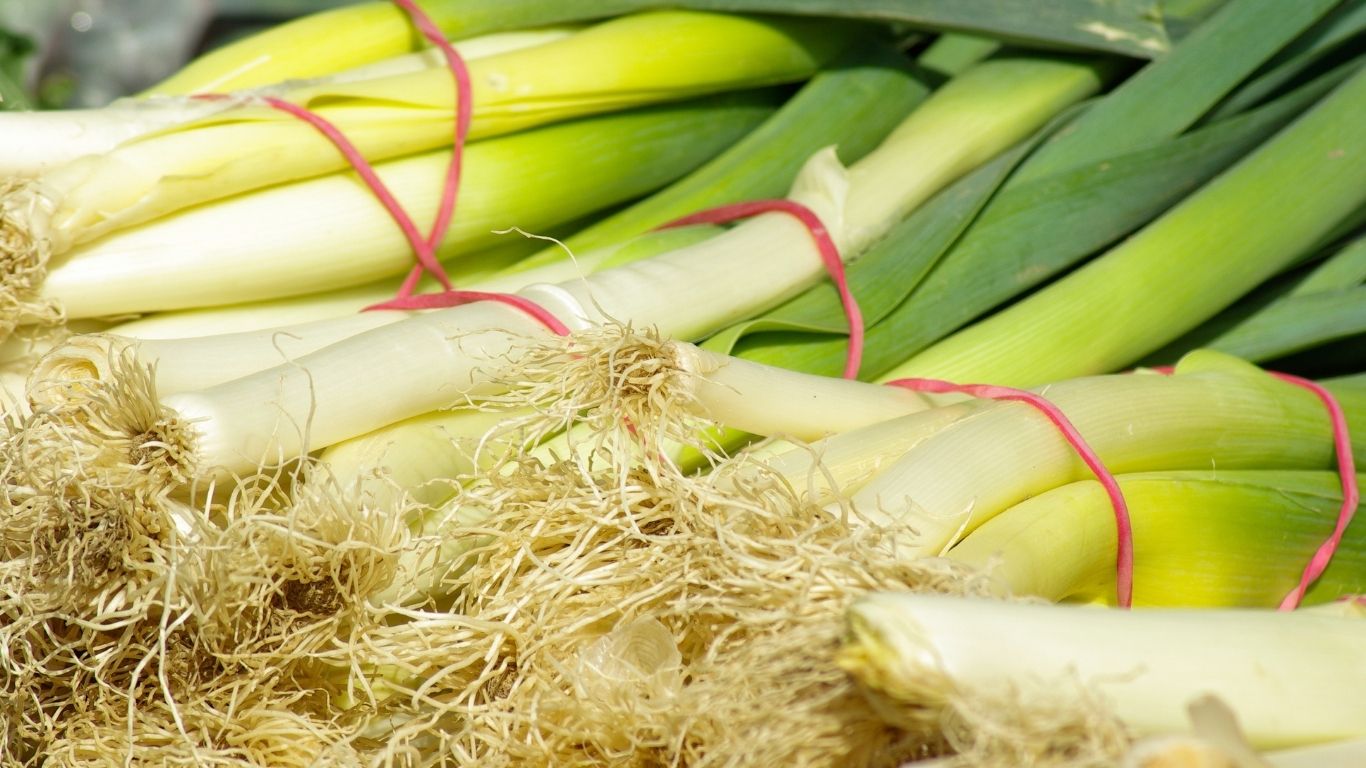
When To Sow – What To Sow In August UK
August is a bit of a split month.
- Early August (weeks 1–2)
- Best time for: beetroot, dwarf French beans, kohl rabi, last chances for outdoor courgettes, quick carrots in warmer areas.
- In the North and Scotland, aim to get these in as early as you can – the season shortens fast.
- Mid to late August (weeks 3–4)
- Focus on: salads, spinach, oriental leaves, spring cabbage, overwintering onions from seed, lamb’s lettuce, land cress.
- In the South and milder coastal areas, you can push some of these into early September, especially under fleece or in a tunnel.
Met Office climate data shows northern and Scottish gardens tend to see first frosts several weeks earlier than much of southern England, so if you’re further north, treat the guide above as “shift it 1–2 weeks earlier” and rely more on cloches and fleece.
What’s usually too late in August?
- Maincrop carrots and parsnips
- Sweetcorn
- Maincrop cabbages and sprouts from seed
- Most outdoor cucumbers and pumpkins from seed
You can try, but I’ve wasted enough seed on late parsnip sowings to say: save it for next spring. Many of these crops were first mentioned in our July sowing guide.
Step-by-Step: How To Sow In August UK
August sowing is a bit different to spring sowing. The soil’s warm (sometimes too warm), often dry, and slugs appear the second we get a damp spell.
Here’s a simple, practical method that works across most August allotment jobs.
1. Clear and prep the bed
- Remove old crop debris and as many weeds as you can.
- If soil is dry and baked, water the bed thoroughly the day before. Don’t skip this — sowing into dust is a classic August mistake.
- Lightly fork over or use a hoe to break any crust on the surface.
- Add a thin layer of compost (0.5–1cm) if you have it. It helps with moisture and germination.
2. Mark out your drills or modules
- For direct sowing, draw shallow drills with a hoe or trowel:
- Fine seed (lettuce, carrots, radish): about 1cm deep
- Medium seed (spinach, beetroot, turnip): about 2cm deep
- For modules/trays, fill with a peat-free seed compost, tap to settle and level off.
I often switch to modules in August for things like brassicas and salads – it keeps them safer from slugs and pigeons until they’re a decent size.
3. Pre‑water the drill or compost
This is key in August:
- Water into the drill before sowing, so the moisture is where the seed will be.
- For modules, water the tray and let it drain before sowing.
Dry soil on top and moisture beneath encourages roots to go down.
4. Sow thinly
- Tap small seed out of the packet into your hand, then pinch and sprinkle it along the drill.
- Aim for:
- Lettuce/salads: a seed every 1–2cm
- Radish/turnip: 2–3cm
- Beetroot: 3–5cm
- For modules, 1–3 seeds per cell, depending on crop (1 for brassicas, up to 3 for cut‑and‑come‑again salads).
I always over-sow when I’m not concentrating, then spend ages thinning later. Slow down here and you’ll save yourself grief.
5. Cover and firm
- Pull soil gently back over the drill and firm lightly with your hand or the back of a rake.
- In modules, sprinkle a little compost over the seeds and press gently.
Good contact between seed and moist soil is what gets you even germination.
6. Label everything
In August the plot is full and it’s easy to forget what went where. A simple label with crop + date helps you judge if something has failed and needs resowing.
7. Shade and protect
Two big August problems: scorching and pests.
- If it’s hot and sunny:
- Lay a bit of fleece, enviromesh or even an old compost bag (white side up) over fresh sowings for a few days, raised on wire hoops or sticks.
- This stops seeds and seedlings from baking or the soil crusting.
- Protect from pests:
- Slugs: pellets (wildlife‑friendly), beer traps, or a scratch of dry soil or sharp grit around seedlings.
- Pigeons: net brassicas and peas, even young chard and beet leaves.
- Cabbage whites: use fine mesh over any brassicas and oriental leaves.
I’ve seen pigeons strip a whole bed of young kale in one August afternoon. They’re not daft.
8. Water and thin
- Keep the soil consistently moist until germination — usually:
- 3–7 days for radish and salads
- 7–14 days for beetroot, spinach and brassicas
- Once seedlings are up, thin in stages rather than all at once:
- Lettuce/salads: 10–15cm apart for individual heads, or leave thicker for cut‑and‑come‑again.
- Beetroot: 8–10cm
- Turnips: 10cm
- Knowing what to sow in August UK helps you avoid the autumn hungry gap and keeps fresh greens coming into winter.
Use the thinnings in salads — free microgreens.
Vegetables To Sow In August
a) Vegetables to Sow Outdoors in August
These are your main outdoor vegetables to sow in August directly into the soil.
1. Salad leaves and lettuce
Your best friend now. Go for mixed leaves and hardy types:
- Mixed “salad leaf” or “mesclun” packs
- Lettuces like ‘Winter Density’, ‘Arctic King’ and ‘All The Year Round’
- Looseleaf types that you cut and they regrow
Sow in shallow drills or broadcast over a small patch. In hotter spells, sow in the evening and give a bit of shade.
2. Rocket and oriental salad mixes
August is brilliant for oriental greens because cooler nights are coming and they’re less likely to bolt:
- Rocket
- Mizuna
- Mustard leaves (‘Red Giant’, ‘Green Frills’)
- Tatsoi, mibuna
Sow little and often — say a short row every 10 days. They germinate quickly and give you tasty leaves within 3–4 weeks.
3. Spinach and “perpetual” spinach
You’ve got two options:
- True spinach (e.g. ‘Giant Winter’) – sow late August onwards for autumn and early winter.
- “Perpetual spinach” / spinach beet (a type of chard) – very forgiving and will crop right through into next year.
Sow in rows 25–30cm apart, thin to about 10cm. In heavy clay, add compost – spinach hates compacted, waterlogged soil.
4. Swiss chard
Colourful and tough as old boots:
- Varieties like ‘Bright Lights’ or ‘Rhubarb Chard’ do well from an August sowing.
These will feed you with leaves in autumn, then again in spring. Sow like beetroot, thin to 20–30cm.
5. Radish
A classic vegetable to sow in August for quick results.
- Any standard variety will do; look for “all year round” types.
- Sow a short row every week or two.
- They’re ready in 3–4 weeks in warm soil.
If you’ve ever grown radish that turned to wood and fire in your mouth – that’s usually from letting them sit too long in dry summer soil. Water regularly.
6. Turnips
Brilliant gap‑fillers:
- Fast varieties like ‘Purple Top Milan’ or ‘Tokyo Cross’ can be sown in August for tender golf‑ball roots.
- Great cooked or grated raw into slaws.
Rows 20cm apart, thin to 10cm. Keep them growing steadily with water or they get woody.
7. Spring onions (salad onions)
Look for winter‑hardy types:
- ‘White Lisbon Winter Hardy’ is a reliable variety often recommended for late sowings.
Sow thinly in drills 1cm deep. You won’t get big fat bulbs, but you’ll have useful onions for winter.
8. Beetroot (early August only)
In the first half of August, especially in the South or with fleece:
- Sow quick types like ‘Boltardy’ or ‘Detroit 2’.
- Don’t expect whoppers – baby beets and leaves are the aim.
Later than mid‑month, beetroot outdoors is a bit of a gamble unless you’ve a very mild garden.
9. Herbs: coriander, dill, parsley
Many herbs bolt in early summer heat, so August is a second chance:
- Coriander: much less likely to bolt now; lovely for leafy harvests.
- Dill: sow thinly; it appreciates the slightly cooler nights.
- Parsley: slow to germinate but long‑lasting.
Sow in short rows or little patches. Keep moist while germinating.
b) Vegetables to Sow Indoors / Under Cover in August
If you’ve a greenhouse, cold frame, polytunnel or even a bright windowsill, you can extend your season further.
1. Winter lettuce in modules
Sow hardy lettuces into modules:
- ‘Arctic King’
- ‘Winter Density’
- ‘Winter Gem’
Grow them on under cover, then plant out under cloches or fleece in September/October. These give you leaves through winter in mild areas and a head start in spring elsewhere.
2. Spring cabbage
A classic what vegetables to plant in August UK option for next year’s hungry gap:
- Varieties like ‘Durham Early’ are often recommended for July–August sowing.
Sow in modules or a seedbed and plant out with 30cm spacing in September/October. You’ll harvest in spring.
3. Kale and winter greens (early August)
In the first half of the month you can still sow:
- Curly kale
- ‘Cavolo Nero’ (black kale)
- Russian kales (‘Red Russian’ etc.)
Start them in modules under cover and plant out as space appears. In the North, give them fleece or a cloche later to keep them motoring.
4. Oriental brassicas under mesh
Things like:
- Pak choi
- Chinese cabbage
- Mustard greens
- Komatsuna, tatsoi
They’re less likely to bolt from late August onwards, but do sow them under fine mesh (enviromesh) to stop flea beetle and cabbage whites. You can either sow them in modules then plant out, or in a tunnel bed.
I’ve grown pak choi outdoors in August without mesh and ended up feeding the entire caterpillar population of the county. Mesh is worth it.
5. Overwintering onions from seed
Many seed suppliers recommend sowing Japanese/overwintering onion seed in August:
- Varieties like ‘Senshyu Yellow’ are bred for this.
Sow 4–6 seeds per module and plant out in September/October at 25–30cm spacing. They sit over winter and bulk up quickly in spring, cropping earlier than spring‑sown onions.
6. Peas for shoots
It’s too late for full pods, but you can still sow peas in trays for pea shoots:
- Any cheap dried peas sold for growing or even supermarket “marrowfat peas” can work.
Broadcast them thickly in a tray of compost, keep moist, and you’ll be cutting tasty shoots in 2–3 weeks.
7. Indoor dwarf French beans (early August)
In a greenhouse or tunnel, a sowing of dwarf French beans in early August can give you a late autumn crop:
- Look for quick, compact varieties; many from Thompson & Morgan or Suttons list sowing up to August under cover.
Pot them into 5–7 litre pots and keep warm and well-watered.
c) What You Can Still Plant in August for Autumn Harvest
As well as sowing, you can plant out a lot of things in August – either home‑raised in modules or bought as plug plants. This is great if you’re starting late or filling gaps.
1. Lettuce and salad plug plants
Any lettuce, endive, rocket or mixed salad plugs can go straight into cleared ground now. Water them well for the first week and they’ll be cropping in a few weeks.
2. Chard, perpetual spinach and kale plants
If you spot young plants at a nursery or have spares:
- Plant chard and perpetual spinach at 30cm spacing.
- Kale at 40–45cm spacing.
These will feed you in autumn and through winter (with a bit of protection in colder areas).
3. Spring cabbage plants
If you didn’t sow your own in July, many garden centres sell spring cabbage plugs in August. Get them in as soon as you can for decent hearts in spring.
4. Leeks (if you’re behind)
You’re on the late side, but if you have pencil-thick leeks in a nursery bed or tray, get them in the ground now. They might not make huge monsters, but you’ll still get useful leeks.
5. Second‑cropping potatoes
Seed companies like Thompson & Morgan and others sell “second cropping” potatoes to plant in July and August:
- They’re usually early varieties held back in cold storage.
- Plant in large containers or bags, keep them frost‑free, and you can dig “Christmas potatoes” in late autumn/early winter.
If your soil is very sluggy, containers are a safer bet.
6. Strawberries (for next year)
Not an autumn crop, but an important August job:
- Plant new strawberry runners or pots now so they can root well before winter.
- You’ll be glad you did when they fruit their socks off next June.
Common August Sowing Mistakes (I’ve Made Them All…)
1. Sowing into bone-dry soil
Seeds just sit there or germinate patchily.
Fix: Water the bed before sowing, water the drills, then sow. In hot spells, water lightly every day or two until they’re up.
2. Growing the wrong crops for the time of year
Sowing maincrop carrots, parsnips or sweetcorn in August is wishful thinking in most of the UK.
Fix: Stick to quick crops (salads, radish, turnips, peas for shoots) and overwintering types (spring cabbage, onions, hardy lettuce, chard).
3. Not giving seedlings any shade
Full August sun can bake the top centimetre of soil and frazzle tiny seedlings.
Fix: A few days of fleece, shade netting or even a bit of cardboard propped up can make all the difference.
4. Forgetting about slugs and pigeons
You think pests are winding down — they’re not. They’re just waiting.
Fix:
- Slugs: pellets (wildlife‑friendly), traps, regular checks at dusk.
- Pigeons: net brassicas, young chard, beet tops and peas.
- Cabbage whites: mesh over anything in the brassica family.
5. Overcrowding late crops
It’s tempting to pack things in “just to use the space”. Crowded plants are weaker and more prone to mildew.
Fix: Thin properly and don’t be afraid of bare soil. A smaller number of strong plants will outcrop a crowded bed.
Pro Tips From the Next Plot
- Use modules for anything precious
In August I sow most brassicas, lettuces and oriental greens in modules. It lets me:- Protect them from slugs and pigeons
- Slot them into gaps as other crops come out
- Soak the drill, not the whole plot
When water is tight, run a watering can along the seed row before and after sowing. No point watering soil with nothing in it. - Sow “catch crops” everywhere
Any tiny gap? Throw in a pinch of salad mix or radish. By the time the main crop needs the space, you’ve already eaten the catch crop. - Think ahead to winter and spring
Spring cabbage, overwintering onions, chard, perpetual spinach, hardy lettuce – most of the work for those is done in August and September. Future you will be very grateful. - Don’t be afraid of fleece and mesh
They’re not cheating. They:- Keep warmth in for late sowings
- Keep pests and heavy rain off
- Extend your season by a good few weeks
FAQ: What To Sow In August UK
Is August too late to start an allotment?
Not at all. You won’t get everything this year, but you can still:
- Sow salads, radish, turnips, spinach, chard
- Plant spring cabbage, kale, chard and strawberry plants
- Prep beds with compost or manure for next season
Think of it as a head start on next year, with a bonus autumn salad bar.
Can I still sow carrots in August in the UK?
In most areas, it’s borderline to too late for full‑size carrots outdoors. In a very mild southern garden, or under a tunnel, you might get away with a quick early variety in early August, but generally I’d put the seed back in the tin and focus on turnips and beetroot instead.
What can I sow in August for winter harvest?
For winter and early spring pickings, focus on:
- Hardy lettuce (‘Arctic King’, ‘Winter Density’)
- Spinach and perpetual spinach
- Swiss chard
- Spring cabbage (for spring)
- Overwintering onions from seed (August sowing, spring harvest)
- Lamb’s lettuce (corn salad) and land cress
Under cloches or in a tunnel, these can keep you in greens when the shops are charging a fortune.
Should I feed August sowings?
If the soil is reasonably fertile, you don’t usually need extra feed at sowing. I:
- Add compost when preparing the bed
- For hungry, leafy crops in containers or poor soil, give a light liquid feed (seaweed, comfrey, tomato feed) once they’re established and growing well.
Don’t overdo high‑nitrogen feeds in late autumn – you’ll get soft growth that’s more likely to be damaged by frost. That’s why understanding what to sow in August UK is one of the most important late‑season decisions on the allotment. 🌞 See what to sow in July UK if you’re slightly ahead.
🍁 Next up: What to Sow in September UK
Want to take the guesswork out of your allotment?
I put together a printable UK Allotment Planner Bundle that tells you exactly what to sow n August UK and the rest of the year, what to plant and when to harvest — month by month, all year round. No more wondering if you’ve missed the window.
👉 Grab the UK Allotment Planner Bundle here
It’s the one thing I wish I’d had in my first few seasons. Dead simple to use, designed for UK growing conditions.