
What to Sow in May UK: A Practical Guide for Allotment Gardeners.
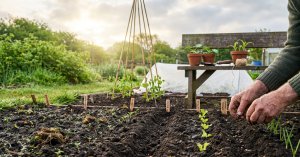
If you’re wondering what to sow in May UK allotment growers have the widest choice of the year. After 40-plus years digging, sowing and battling the British weather on my allotment, I can tell you that May is one of the most exciting and productive months. The soil is warming up, the days are long, and you can finally get a huge range of crops directly into the ground or planted out once the risk of frost has passed.
Top vegetables to sow or plant in May across most of the UK include:
- Direct sowing: Beetroot, carrots, radish, lettuce and salad leaves, spring onions, chard/perpetual spinach, peas (final sowings), French beans and runner beans (late May in many areas), kohlrabi, turnips, kale and other brassicas.
- Tender crops after frost risk: Courgettes, summer squash, pumpkins, outdoor cucumbers, sweetcorn.
- Planting out hardened plants: Leeks, brassicas (cabbage, cauliflower, broccoli, Brussels sprouts), maincrop potatoes (if not already done), celeriac, celery.👉 Next: See What to Sow in June UK for fast-growing summer crops and succession sowing tips.
Successional sowing (little and often) is your friend to avoid gluts. Watch the weather forecast like a hawk – late frosts, damp conditions and slugs are the big UK villains in May. In my experience, getting the basics right now sets you up for a bumper harvest from summer right through to winter. For a handy reference you can take to the plot, grab our free companion planting chart.
What to Sow in May UK — Timing by Region
May timing depends heavily on where you are in the country and what the weather is doing. Knowing what vegetables to plant in May across the UK means understanding your local frost dates. In the milder south and urban areas, the last frost is often mid-May or even earlier. Further north, in Scotland or exposed northern England, you might wait until the very end of the month or early June for tender crops like courgettes, beans and sweetcorn. I garden in the Midlands, and I’ve learned to keep an old fleece and some cloches handy right through until the end of the month. One year a sharp frost on the 18th caught me out and nipped the tops off some early bean seedlings – a lesson I’ve never forgotten.
Soil temperature is more reliable than the calendar. Most seeds germinate happily once the soil is above 10°C; The RHS allotment guide has useful regional frost date information. tender crops like French beans, courgettes and sweetcorn prefer 12–15°C or more. If you have a soil thermometer, use it. Otherwise, walk barefoot on the bed (one of my favourite May rituals) – if it feels pleasantly warm rather than cold and clammy, you’re probably good to go.
Break it down like this:
- Early May: Hardy crops such as beetroot (‘Boltardy’ is a reliable old favourite that rarely bolts), carrots (early varieties like ‘Nantes’), parsnips, radish, spring onions, lettuce, peas, kale, cabbage for later transplanting, and maincrop potatoes. You can still sow brassicas in a seedbed for planting out in June.
- Mid to late May: French beans, runner beans (once soil has warmed), courgettes, squash, pumpkins, sweetcorn (sow in blocks for pollination), outdoor cucumbers, chard and more salad leaves. This is also prime time for planting out hardened-off leeks, brassicas and tender plants raised earlier.
- Successional sowing: Sow lettuce, radish, beetroot, spring onions and carrots every 2–3 weeks throughout the month for a steady supply rather than one massive harvest.
Always check your local forecast. Damp, cool, overcast May days are common, and slugs thrive in these conditions. If a cold snap is forecast, delay tender sowings or protect with fleece or cloches. In my early years I was too eager and lost whole rows to a late frost. Now I’m patient, and my yields are far better for it.
Step-by-Step: How to Sow Vegetables in May UK
Prepare Your Ground
Start with weed-free, well-prepared soil that has had plenty of organic matter (well-rotted compost or manure) worked in during winter or autumn. I’m a big fan of the no-dig approach these days – it saves your back and keeps the soil structure intact. Spread 5–10cm of compost on top in autumn or early spring and let the worms do the work. Rake the surface to a fine tilth just before sowing. Avoid walking on wet soil to prevent compaction, which is a common problem in our damp climate.
Choose Your Varieties Wisely
Go for reliable UK performers. For beetroot try ‘Boltardy’ or ‘Cheltenham Green Top’. Carrots: ‘Early Nantes’ or a resistant variety to carrot fly. Runner beans: ‘Enorma’ or ‘Scarlet Emperor’. Courgettes: ‘Defender’ (good disease resistance). Lettuce: mixed salad leaf packs for cut-and-come-again. These have served me well over decades.
Sowing Seeds
For direct sowing, make drills with a stick or the edge of a hoe – usually 1–2cm deep for small seeds, 3–4cm for beans. Water the drill first in dry weather (a trick that really helps germination). Sow thinly to reduce the need for thinning later – overcrowding leads to weak, disease-prone plants in our humid air. Cover lightly with soil and firm gently. Label everything; I’ve regretted not doing so more times than I can count.
For tender crops or to get a head start, sow into modules or small pots in a greenhouse, cold frame or on a sunny windowsill. Courgettes, squash, pumpkins and sweetcorn do brilliantly in 7–9cm pots.
Planting Out
Harden plants off for 7–14 days by putting them outside during the day and bringing them in (or covering) at night. Plant brassicas deeply and firm the soil well – they hate being loose. Space properly: 30–45cm for most brassicas, 45–60cm for courgettes and sweetcorn (in blocks). Water in well but avoid soaking. For beans, put supports in first – hazel poles or bamboo canes in a wigwam or double row. I’ve seen many a beginner plant the beans then struggle to add supports without damaging roots.
Immediate Aftercare
Protect from slugs (more on this later). Water consistently but not excessively – damp UK conditions mean overwatering can cause more harm than good. Thin seedlings in the evening and cover carrot thinnings immediately to avoid attracting carrot fly with the scent. Earth up potatoes as they grow to protect tubers from light and frost.
Follow these steps and you’ll have strong, healthy plants ready to romp away as the weather improves.
Common Mistakes When Planting Vegetables in May
Over the years I’ve made (and seen) every mistake in the book. Here are the big ones to avoid in May:
- Sowing too early or without protection: Tender crops sown before the soil warms or before the last frost risk often rot or get nipped. Wait, or use fleece. I lost an entire sowing of runner beans one cold May – heartbreaking.
- Sowing too thickly and not thinning: Results in overcrowded, leggy plants that bolt or succumb to mildew and damping-off in damp weather. Thin ruthlessly but gently.
- Ignoring slugs: Our wet climate is slug heaven. They can wipe out a row of lettuce or young bean seedlings overnight. New gardeners often underestimate them.
- Forgetting to harden off: Plants moved straight from windowsill to plot suffer shock, grow slowly or die.
- Poor spacing and supports: Beans and peas collapse without stakes or canes. Brassicas need room or they don’t heart up properly.
- Planting in cold, wet soil: Seeds sit there and rot. If in doubt, wait a week or sow in modules.
- One big sowing instead of succession: You end up with 50 lettuces ready at once and nothing later. Sow every couple of weeks.
Learn from these and you’ll save yourself a lot of disappointment.
Pro Tips for May Vegetable Sowing & Planting in the UK
Slug defence is non-negotiable. My favourite methods after decades of trial and error: beer traps (sink yoghurt pots filled with cheap lager – they drown happily), nightly torchlit hunts (surprisingly effective and oddly satisfying), nematodes (brilliant biological control that lasts 6 weeks or so), and encouraging predators like frogs, toads, hedgehogs and ground beetles. Raised beds and keeping the plot tidy (no piles of debris) help too. In damp May weather I check every morning.
Succession sowing is the secret to steady harvests. A short row of radish or lettuce every 10–14 days keeps the kitchen supplied without waste.
Companion planting: Grow carrots next to spring onions or leeks to confuse carrot fly. Nasturtiums draw aphids away from beans. I’ve done this for years and it really works. See our companion planting chart for the full list of what works together.
Use fleece and cloches wisely. They warm the soil, protect from frost and wind, and can reduce slug activity. Remove during the day when possible to harden plants and allow pollination.
Mulch later, once seedlings are established, to retain moisture and suppress weeds. But watch for slugs hiding underneath.
Net brassicas early against pigeons and cabbage white butterflies. One missed netting job and you’ll be picking caterpillars for weeks.
Personal observation: The first picking of fresh peas or young beetroot in early summer always feels like magic. Nothing from the shops comes close. Also, sweetcorn tastes sweetest picked and cooked within minutes – grow your own and you’ll never go back.
Take time to enjoy the plot in May. The longer evenings, birdsong and scent of fresh earth make the hard work worthwhile.
Frequently Asked Questions About Planting in May UK
Can I still plant potatoes in May?
Yes – maincrop varieties can go in early in the month. Earth them up well to protect against late frosts.
What about tomatoes?
If you’ve started them earlier, harden off and plant into a greenhouse or polytunnel now. Outdoor cordon varieties can go out at the end of the month in sheltered southern spots, but they do better under cover in most UK gardens.
How do I stop damping-off?
Sow thinly, don’t overwater, ensure good ventilation under cover, and use clean compost and pots. Damp, cool May weather makes this a real risk for seedlings.
When should I plant runner beans in the UK?
Late May once the soil has warmed and frost risk is low. Start some in pots if you want an earlier crop.
Do I need to net everything?
Net brassicas and peas against birds. Use fine mesh or fleece for carrots against carrot fly. It’s worth the effort.
Is it too late for courgettes?
Not at all. Sow or plant them out from mid-May onwards. They grow incredibly fast once the weather warms.
How often should I water vegetables planted in May?
Consistently but sparingly. Established plants prefer a good soak every few days rather than daily dribbles, which can encourage surface slugs and shallow roots.
What if I have clay soil that stays damp?
Raised beds or no-dig with lots of compost help enormously. Improve drainage with grit if needed. Grow slug-resistant varieties where possible.
If in doubt, start small, observe, and keep notes in a notebook. Your plot will teach you more than any book.
Ready to Take Your Allotment to the Next Level?
Now you know what vegetables to plant in May in the UK, it’s time to get organised. I’ve put together printable monthly guides, crop rotation planners and more resources that have helped hundreds of UK growers avoid the mistakes I made in my early years. Head over to our shop for the May planner and seasonal collection – perfect to keep in your shed and refer to week after week. You can also learn more about me and how I grow. Pop down to the plot, get sowing, and enjoy every minute of it. Happy gardening, and I’ll see you out there among the beans and beetroot.
I put together a printable UK Allotment Planner Bundle that tells you exactly what to sow, plant, and harvest – month by month, all year round. No more wondering if you’ve missed the window.
👉 Grab the UK Allotment Planner Bundle
It’s the one thing I wish I’d had in my first few seasons. Dead simple to use, designed for UK growing conditions.